

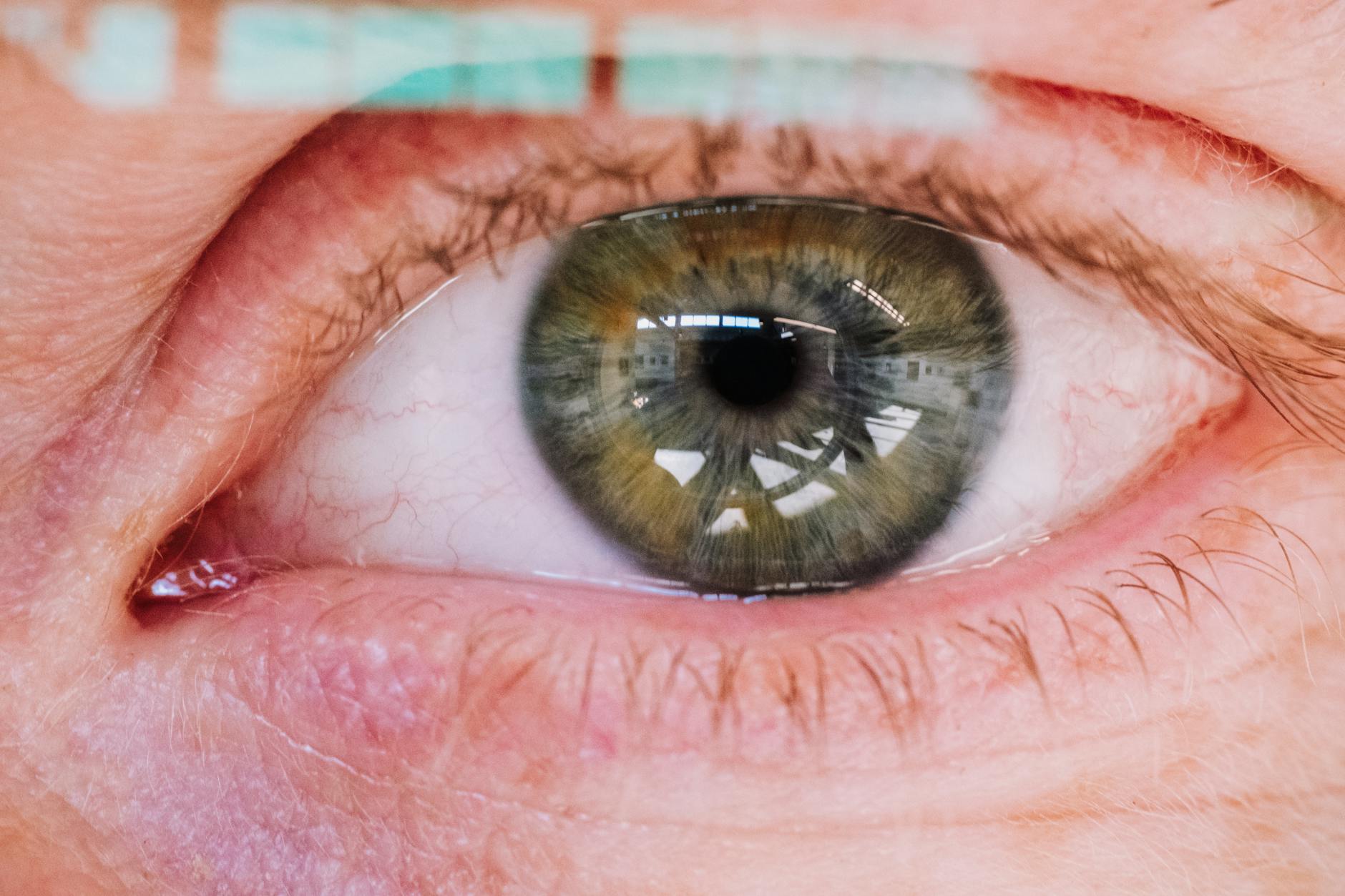
If you’re over 60 and living in Market Harborough, Stamford, Oundle, Kettering, or Northampton, you’re not alone in wondering: How long do cataracts take to develop? Cataracts form slowly over time, and the signs can be easy to miss at first. This blog explains how cataracts progress, what symptoms to watch for, and when it might be time to consider treatment.
What Is a Cataract?
A cataract is the clouding of the natural lens inside your eye. As we age, proteins within the lens start to clump together, causing blurred or hazy vision. Cataracts can make everyday tasks—like reading, driving, or recognising faces—much more difficult.
At the Jesse Panthagani Eye Clinic, we regularly see patients from across Northamptonshire and Leicestershire who are surprised to learn they’ve been living with cataracts for years before noticing significant symptoms.
How Long Do Cataracts Take to Develop?
In most cases, age-related cataracts begin to form in your 50s or 60s, but symptoms may not become noticeable until much later. It typically takes 5 to 15 years for cataracts to develop to the point where surgery is necessary. However, the pace can vary from person to person.
Factors that may speed up cataract development include:
- Diabetes
- Long-term use of steroids
- Excessive exposure to UV light (especially without sunglasses)
- Smoking
- Eye trauma or previous surgery
If you live in Stamford or Oundle, where many enjoy active outdoor lifestyles, UV protection and regular eye checks can help catch cataracts early.
The Three Stages of Cataracts
1. Early Stage
- Minor clouding of the lens
- No major vision problems
- Usually picked up during routine eye exams
2. Moderate Stage
- Blurred or cloudy vision
- Glare or halos around lights (especially at night)
- Faded colours and trouble reading
Many patients in Kettering and Northampton notice issues during evening driving or with their hobbies like sewing or gardening.
3. Advanced Stage
- Vision significantly interferes with daily life
- Difficulty reading, driving, or recognising faces
- Often fails standard driving vision tests
At this point, cataract surgery becomes the recommended treatment.
Do Cataracts Always Get Worse?
Yes—cataracts are progressive. They won’t improve on their own, and glasses may become less effective over time. The only proven treatment is surgery, where the cloudy lens is replaced with a clear artificial one (called an intraocular lens or IOL).
At Jesse Panthagani Eye Clinic, we provide cataract surgery using modern techniques and lens options to suit your lifestyle—whether you live in Market Harborough, Oundle, or beyond.
Can You Slow the Progression?
While cataracts can’t be stopped entirely, their development can be slowed with healthy habits:
- Wearing UV-blocking sunglasses
- Eating a diet rich in antioxidants (like leafy greens and citrus)
- Managing diabetes
- Avoiding smoking
- Scheduling regular eye exams
If you live in a rural areas near Oundle or Stamford, where access to opticians may be more limited, it’s especially important to stay on top of routine check-ups.
When Should You Consider Cataract Surgery?
You might want to consider surgery when:
- Vision interferes with everyday tasks
- Glasses or contact lenses no longer improve your vision
- Your confidence or independence is affected
Jesse Panthagani Eye Clinic helps patients across Northamptonshire decide the right time for surgery, based on individual needs and lifestyle.
Final Thoughts
Cataracts don’t form overnight—but they do get worse over time. Many people in areas like Market Harborough, Kettering, and Stamford may wait too long to seek help, thinking it’s “just part of getting older.” If you’re noticing changes in your vision, even subtle ones, it’s worth getting them checked.
At Jesse Panthagani Eye Clinic, we’re proud to support patients across Northamptonshire and Leicestershire, helping them stay independent and enjoy clear vision well into their later years.
✅** Ready to Take the Next Step?**
- Book a Free Video Appointment at Jesse Panthagani Eye Clinic
- Take our Free Suitability Self-Test for vision correction to see if cataracts might be affecting you
Let’s work together to keep your vision sharp and your lifestyle active—no matter your age.
Submit a Comment
Your email address will not be published. Required fields are marked *
Comment *
Name
Website
Save my name, email, and website in this browser for the next time I comment.