

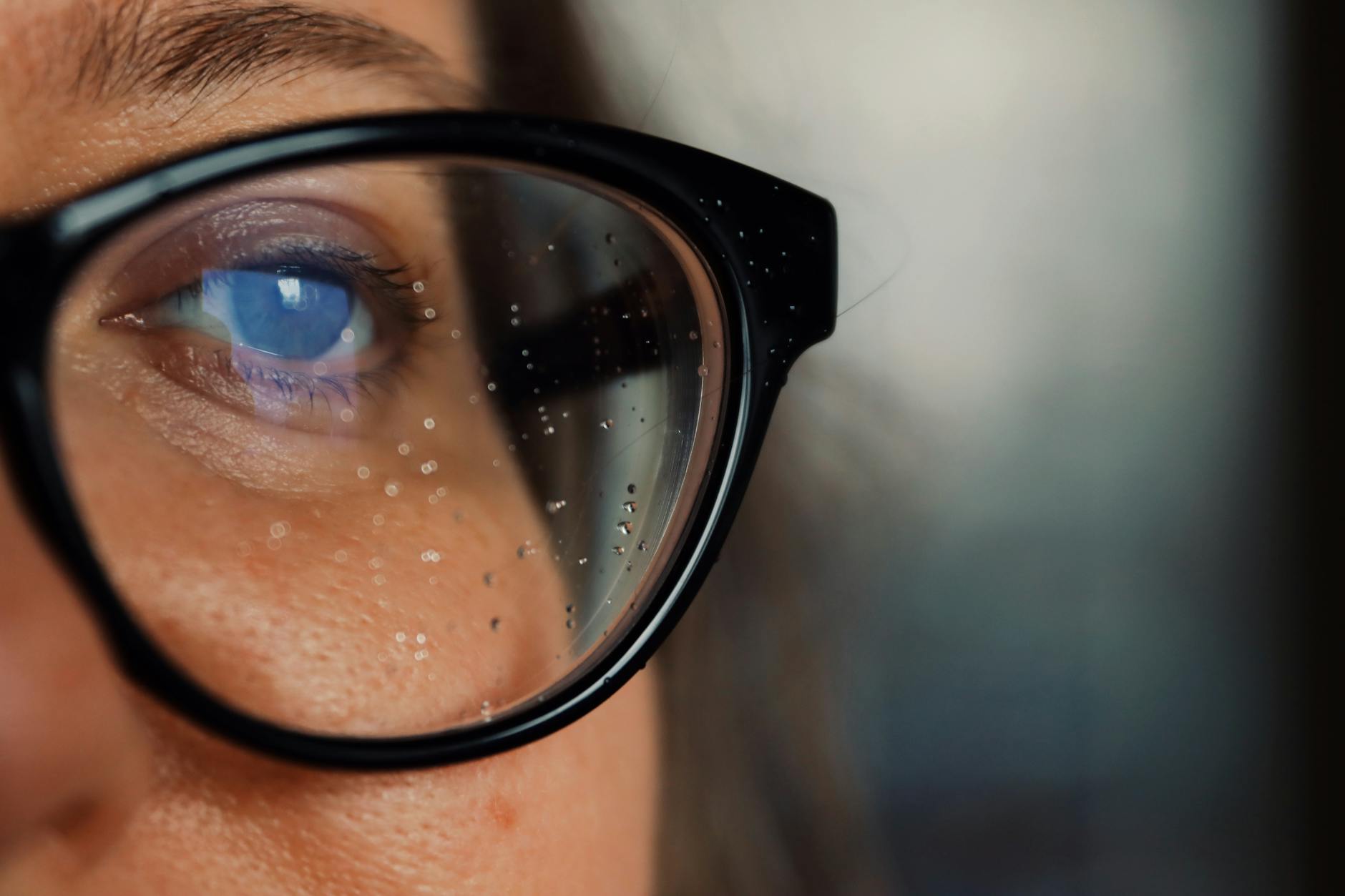
If you’ve had cataract surgery in one eye—or are preparing for it—you may be asking: Will I still need glasses? Can I keep my old prescription? Should I wait for the second eye before making any changes?
These are very common concerns for patients in Market Harborough, Stamford, Kettering, Northampton and nearby towns. In this post, Mr Jesse Panthagani, a specialist cataract surgeon, shares practical guidance on what to expect and how to manage your vision after surgery in just one eye.
How Cataract Surgery Affects Your Vision
Cataract surgery involves replacing your eye’s cloudy natural lens with a clear artificial intraocular lens (IOL). This usually improves clarity, colour perception, and reduces glare—a difference patients from Northampton to Market Harborough often notice soon after surgery.
But if only one eye has been treated, your vision may feel uneven. One eye will see more clearly than the other, which can affect your depth perception and cause temporary visual discomfort until both eyes are balanced.
Will You Still Need Glasses After Cataract Surgery?
That depends on the type of lens you received and your overall eye health. Here’s a quick guide:
- Monofocal lenses improve distance vision, but you’ll likely still need reading glasses.
- Toric lenses correct astigmatism and may reduce your reliance on distance glasses.
- Multifocal or trifocal lenses can offer vision at various distances—many patients in Stamford, Market Harborough and Northampton opt for these to reduce their need for glasses.
However, even with advanced lens implants, some people may still need glasses for specific tasks like reading or night driving.
Managing Vision with One Eye Treated
If your second eye still has a cataract, you may notice:
- Eye strain
- Headaches
- Visual imbalance
- Trouble reading or using screens
Patients in Corby, Wellingborough, and Kettering sometimes find driving or day-to-day tasks more challenging during this in-between period.
If your second surgery is coming soon, a temporary fix—like popping out the lens in your old glasses over the operated eye—might help. If there’s a longer wait, your optometrist might suggest updated interim glasses or a contact lens for your untreated eye.
Should You Update Your Glasses Now?
Generally, it’s best to wait. Your vision can take several weeks to stabilise after surgery. Most experts, including Mr Panthagani, recommend holding off on new glasses until both eyes have healed and your prescription is settled.
Signs You May Need a New Prescription
Watch for these symptoms:
- Blurred or double vision
- Headaches or eye fatigue
- Dizziness
- Trouble focusing at different distances
If you’re experiencing any of these, it’s a good idea to speak with your optometrist—or book a consultation with Mr Panthagani for a tailored assessment.
Personalised Care Across Northamptonshire
Whether you’re navigating life with one eye treated or planning your second procedure, Mr Jesse Panthagani offers personal consultations for patients across Market Harborough, Stamford, Oundle, Northampton and surrounding areas. His expert, friendly approach helps you make informed decisions about your vision.
✅ Book a free video consultation
✅ Take our quick suitability test for lens replacement
Restoring your sight is just the beginning. With expert support, you can enjoy greater confidence, clarity, and independence in your everyday life.
** Book Your Consultation with Mr Jesse Panthagani Today**
Reclaim bright, confident eyesight—without the hassle of distant travel. We serve people over 60 across Market Harborough, Stamford, Oundle, Kettering, and Northampton.
To discover more about your cataract surgery options, you can book a free video appointment at a time that suits you. If you are wondering whether you are a suitable candidate for lens replacement or other vision correction procedures, feel free to take the suitability self-test on his website. Investing time to research and learn about your eye health is one of the best things you can do for your quality of life. By choosing the right cataract surgeon, you are making a significant step towards a clearer, brighter future.
DISCLAIMER: This article is for general information only. Always seek advice from your eye care professional for personalised recommendations.
Submit a Comment
Your email address will not be published. Required fields are marked *
Comment *
Name
Website
Save my name, email, and website in this browser for the next time I comment.