

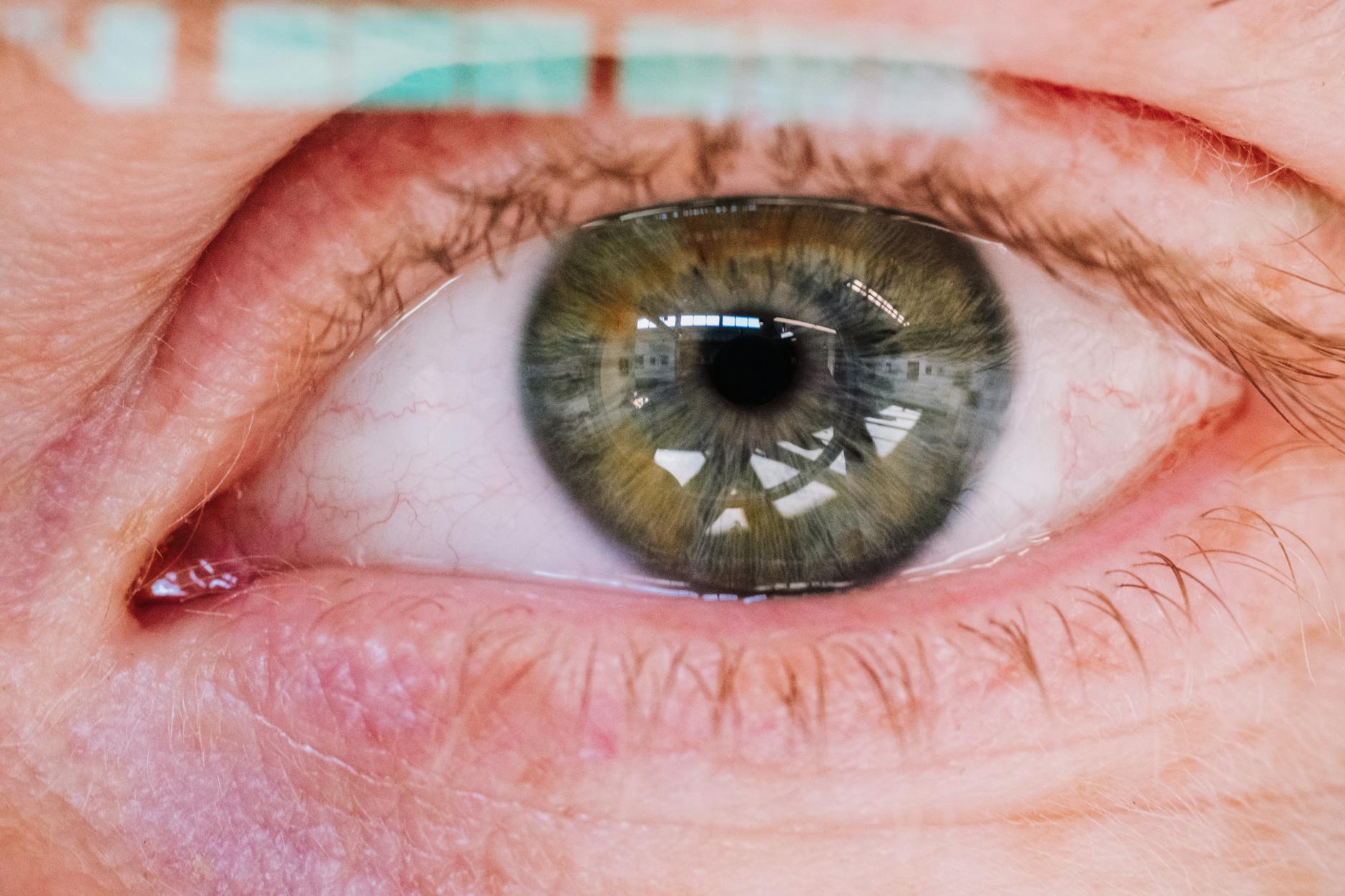
Cataracts are one of the most common causes of vision impairment as we age, but the good news is there are practical steps you can take to delay their onset and reduce their impact.
At Mr Jesse Panthagani’s eye clinics, serving communities in Market Harborough, Stamford, Oundle, Kettering, and Northampton, we’re committed to helping patients protect their sight and enjoy an active, independent lifestyle. Here are some expert tips to help you keep your eyes healthy and clear for longer.
1. Shield Your Eyes from UV Rays
Long-term exposure to ultraviolet (UV) light increases the risk of cataracts. To reduce this risk:
- Wear sunglasses that block 100% of UVA and UVB rays
- Use a wide-brimmed hat to provide extra shade
- Limit direct sunlight exposure, especially in the middle of the day
2. Eat for Eye Health
A diet rich in eye-friendly nutrients can help protect your lenses from damage:
- Vitamin C – found in citrus fruits, bell peppers, and broccoli
- Vitamin E – from nuts, seeds, and leafy greens
- Lutein & Zeaxanthin – in kale, spinach, and other dark green vegetables
- Omega-3 fatty acids – from oily fish such as salmon and mackerel
These nutrients act as antioxidants, shielding your eyes from oxidative stress that can lead to cataracts.
3. Stop Smoking and Cut Back on Alcohol
Smoking significantly increases your risk of developing cataracts by contributing to oxidative stress in the eye. It’s also linked to a particular type of dense, central cataract. Excessive alcohol intake may also accelerate lens damage, so moderation is key.
4. Manage Diabetes and Blood Sugar
People with diabetes are more prone to cataracts, especially a fast-developing form called posterior subcapsular cataracts. Keeping your blood sugar under control through diet, exercise, and regular monitoring is essential for protecting your vision.
5. Limit Screen Time and Blue Light Exposure
Although the link is still being studied, blue light from screens may contribute to eye strain and long-term oxidative damage. To reduce risk:
- Install blue light filters on your devices
- Follow the 20-20-20 rule: every 20 minutes, look at something 20 feet away for 20 seconds
6. Book Regular Eye Exams
Early signs of cataract formation often go unnoticed. Regular check-ups with an eye specialist like **Jesse Panthagani **ensure any changes in your vision are detected early and monitored closely. This is particularly important for those in their 50s and beyond.
7. Stay Hydrated and Active
Good hydration helps keep your eyes naturally lubricated. Combine this with regular physical activity and a balanced diet to support overall eye health.
Take Control of Your Eye Health
While cataracts may be a natural part of ageing, these preventative steps can delay their development and reduce their impact on your life. If you live in Market Harborough, Stamford, Oundle, Kettering, or Northampton and are concerned about cataracts or changes in your vision, take our free cataract suitability self-test or **book a consultation **with Mr Jesse Panthagani today.
Submit a Comment
Your email address will not be published. Required fields are marked *
Comment *
Name
Website
Save my name, email, and website in this browser for the next time I comment.